When it comes to dinner and meal ideas, soup, stew, and chowder are three classic options that often grace our tables. But have you ever stopped to wonder what exactly sets these dishes apart? You're not alone in this curiosity. Let's embark on a journey to explore the unique characteristics of soup, stew, and chowder.
Soup: The Liquid Delight
Soup is perhaps the most well - known of the three. It is primarily a liquid - based dish. Soups can be made from a variety of ingredients, including vegetables, meats, and grains. There are two main types of soups: clear soups and thick soups.
Clear soups, such as consommé, are made by simmering meat, bones, or vegetables in water. The result is a clear, flavorful broth that is often served as an appetizer. These soups are light and refreshing, allowing the natural flavors of the ingredients to shine through. For example, a chicken consommé is made by slowly simmering chicken bones, vegetables, and herbs in water. The long - simmering process extracts the rich flavors from the chicken and vegetables, creating a delicious and nourishing broth.
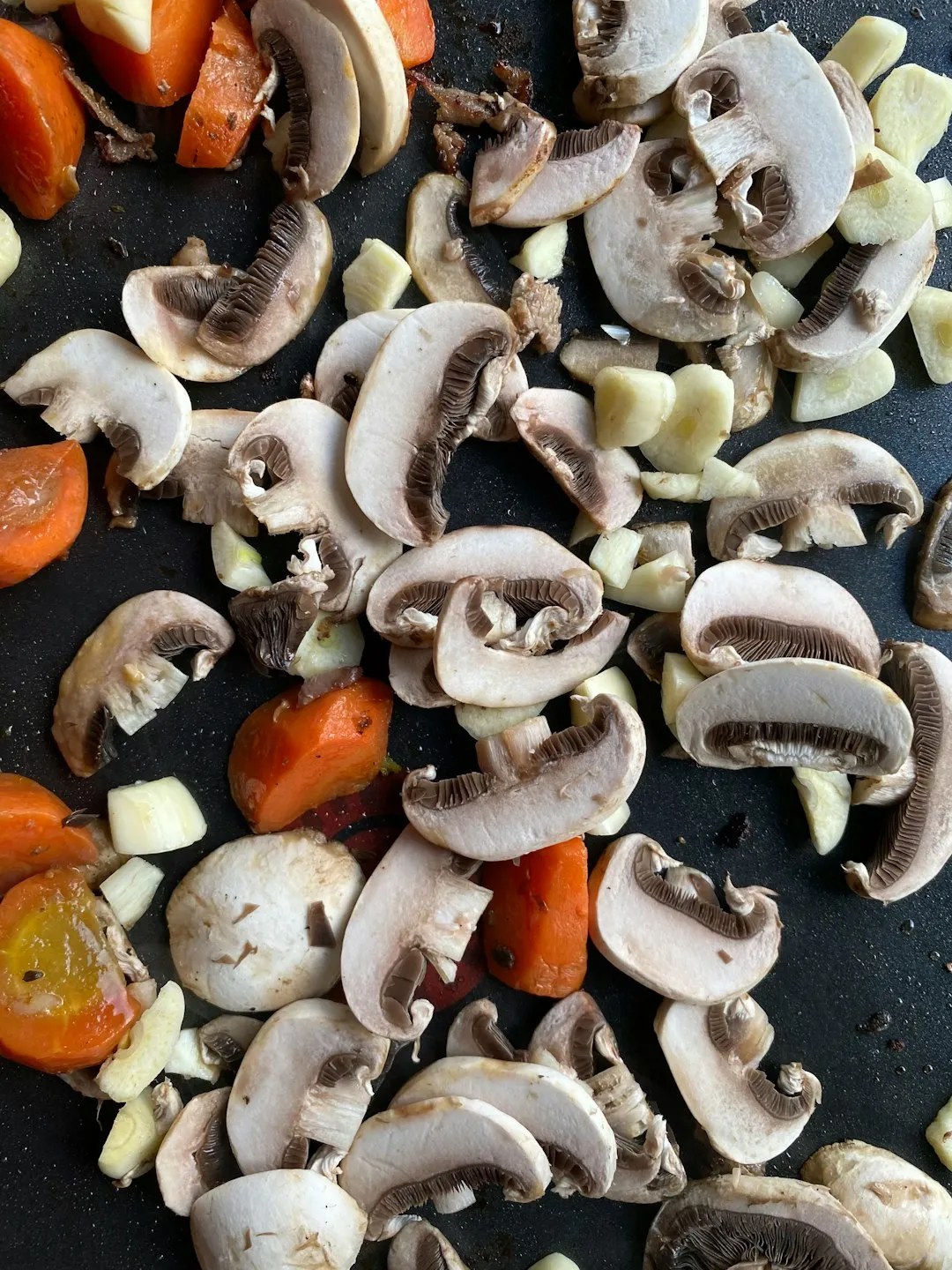
Thick soups, on the other hand, are made by adding thickening agents such as flour, cornstarch, or pureed vegetables. Cream soups, like cream of mushroom soup, are a popular type of thick soup. They are made by sautéing vegetables, adding a roux (a mixture of flour and fat), and then adding milk or cream. The roux thickens the soup, giving it a creamy texture. Another example is vegetable puree soup, where vegetables are cooked and then pureed to create a smooth and thick soup. Carrot soup is a great example of a vegetable puree soup. It is made by boiling carrots with onions, garlic, and a bit of broth, and then pureeing the mixture until smooth.
Stew: A Hearty One - Pot Meal
Stews are heartier than soups. They are characterized by a thick and chunky consistency. Stews typically contain a large amount of meat and vegetables, which are cooked slowly in a liquid. The slow - cooking process allows the flavors to meld together and the meat to become tender.
One of the key features of a stew is that the ingredients are usually cut into large pieces. For example, in a beef stew, the beef is cut into cubes, and the vegetables like potatoes, carrots, and onions are also cut into relatively large chunks. The liquid in a stew can be broth, wine, or a combination of both. The long - cooking time breaks down the connective tissues in the meat, making it fall - apart tender. A classic beef stew might start with browning the beef cubes in a hot pan to seal in the juices. Then, onions, garlic, and carrots are added and sautéed until softened. A bit of flour is added to create a roux, and then beef broth and red wine are poured in. The mixture is then simmered for a couple of hours until the beef is tender and the flavors are well - developed.
Stews are often considered a one - pot meal because they can be served on their own with a side of bread. They are perfect for cold winter days when you need a warm and filling meal.
Chowder: A Creamy Seafood Delight
Chowders are a type of thick soup, but they have their own distinct characteristics. Chowders are most commonly associated with seafood, especially clams. However, there are also non - seafood chowders, such as corn chowder.
Seafood chowders, like New England clam chowder, are known for their creamy texture. They are made by combining clams, potatoes, onions, and sometimes bacon in a base of milk or cream. The potatoes help to thicken the chowder, giving it a rich and creamy consistency. New England clam chowder starts with sautéing bacon until crispy. The bacon is removed and set aside, and the bacon fat is used to sauté onions and garlic. Potatoes are added and cooked until slightly tender. Then, clam juice and milk or cream are added, along with the clams. The chowder is simmered until the flavors blend together, and the potatoes are fully cooked. The bacon is crumbled and added back to the chowder for an extra crunch and flavor.
Corn chowder, on the other hand, is made with fresh or frozen corn. It often includes ingredients like onions, celery, and potatoes. A roux is made to thicken the milk or cream base, and the corn is added along with other vegetables. The result is a sweet and savory chowder that is perfect for a light dinner or lunch.
In conclusion, while soup, stew, and chowder may seem similar at first glance, they each have their own unique characteristics. Whether you're in the mood for a light and refreshing soup, a hearty stew, or a creamy chowder, there's a dish for every occasion. So, the next time you're planning a dinner, consider these classic options and experiment with different recipes to find your favorite.