In the world of culinary adventures, one of the most crucial aspects is ensuring that your produce stays fresh for as long as possible. Proper food storage not only preserves the quality of your ingredients but also helps you save money in the long run. Let's delve into the secrets of storing different types of produce to keep them at their best.
### Storage Tips for Various Produce
#### Fruits
Fruits come in a wide variety, and each has its own storage requirements. For example, apples are best stored in the refrigerator. They can last for several weeks when kept in a cool environment. Apples release ethylene gas, which can cause other fruits to ripen and spoil faster. So, it's advisable to store them separately from other produce. On the other hand, bananas should be kept at room temperature. Once they are ripe, you can place them in the refrigerator to slow down the ripening process and keep them fresh for a few more days. However, the skin may turn black, but the fruit inside will remain good.
Berries, such as strawberries, blueberries, and raspberries, are quite delicate. They should be stored in the refrigerator in a container lined with paper towels to absorb excess moisture. This helps prevent mold growth. Before storing, make sure to remove any damaged or spoiled berries to avoid contaminating the rest. Grapes also thrive in the refrigerator. You can keep them in their original packaging or transfer them to a breathable container.
#### Vegetables
Leafy greens like lettuce, spinach, and kale need to be stored properly to maintain their crispness. Wash them thoroughly, dry them completely using a salad spinner or paper towels, and then store them in a plastic bag with a few paper towels to absorb moisture. Place the bag in the refrigerator's crisper drawer. Root vegetables, such as carrots, potatoes, and onions, have different storage needs. Carrots can be stored in the refrigerator in a plastic bag, while potatoes should be kept in a cool, dark, and dry place. Onions should be stored in a well - ventilated area away from potatoes, as they can cause each other to spoil more quickly.
Tomatoes are a bit tricky. Ripe tomatoes should be stored at room temperature, away from direct sunlight. They will lose their flavor and texture if stored in the refrigerator. However, if you have unripe tomatoes, you can store them at room temperature until they ripen.
### Cooking with Fresh Produce
Once you have mastered the art of storing your produce, it's time to explore the world of cooking. Using fresh produce can elevate the taste of your dishes to a whole new level.
#### Salads
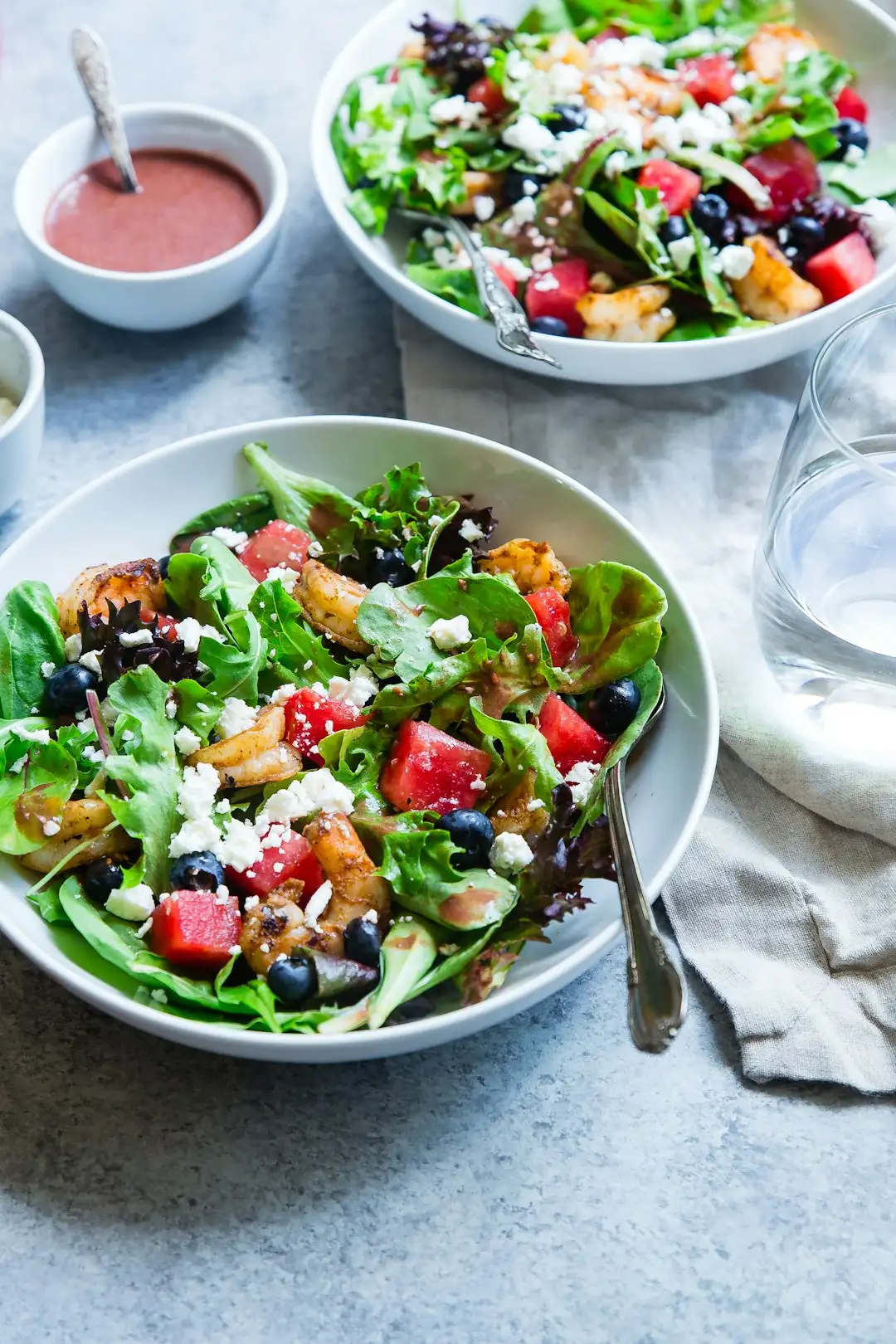
Salads are a great way to showcase fresh produce. You can create a simple green salad using lettuce, cucumbers, tomatoes, and a light vinaigrette. For a more complex salad, add fruits like strawberries or pears, nuts like almonds or walnuts, and a protein source such as grilled chicken or chickpeas. The key to a delicious salad is to use a variety of textures and flavors. You can also experiment with different dressings, such as balsamic glaze, honey - mustard dressing, or lemon - herb dressing.
#### Soups and Stews
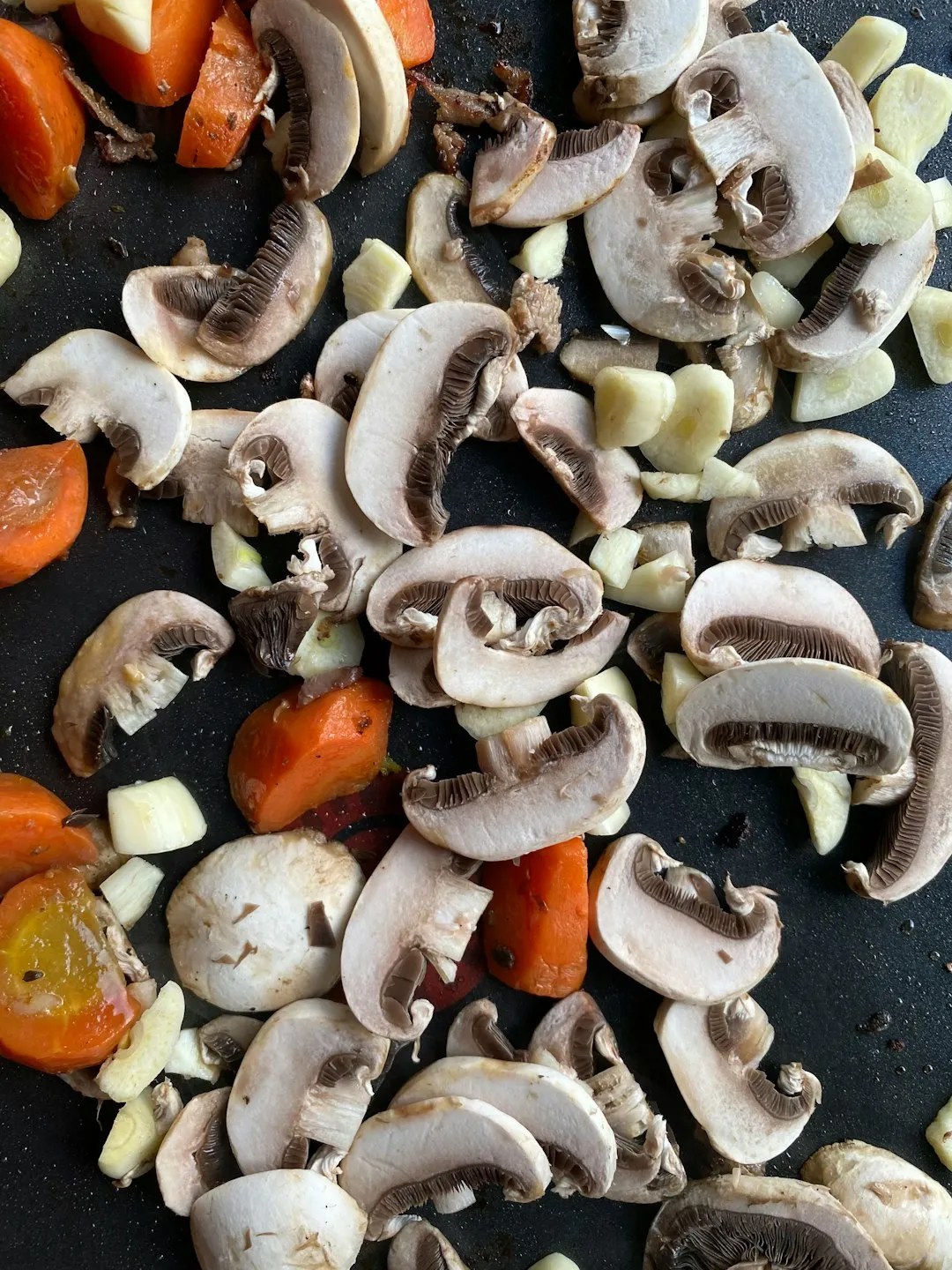
Produce is the heart of many soups and stews. You can make a classic tomato soup using fresh tomatoes, onions, garlic, and a bit of cream. For a heartier stew, combine root vegetables like carrots, potatoes, and parsnips with beef or chicken. Slow - cooking is often the best method for soups and stews, as it allows the flavors to meld together. You can also add herbs and spices like thyme, rosemary, and bay leaves to enhance the taste.
#### Stir - Fries
Stir - fries are a quick and easy way to use up fresh produce. You can use a combination of vegetables like bell peppers, broccoli, and snow peas. Heat some oil in a wok or large skillet, add your vegetables, and stir - fry them over high heat for a few minutes. You can also add a protein source like shrimp, beef, or tofu. Finish the stir - fry with a sauce made from soy sauce, ginger, and garlic.
#### Baked Goods
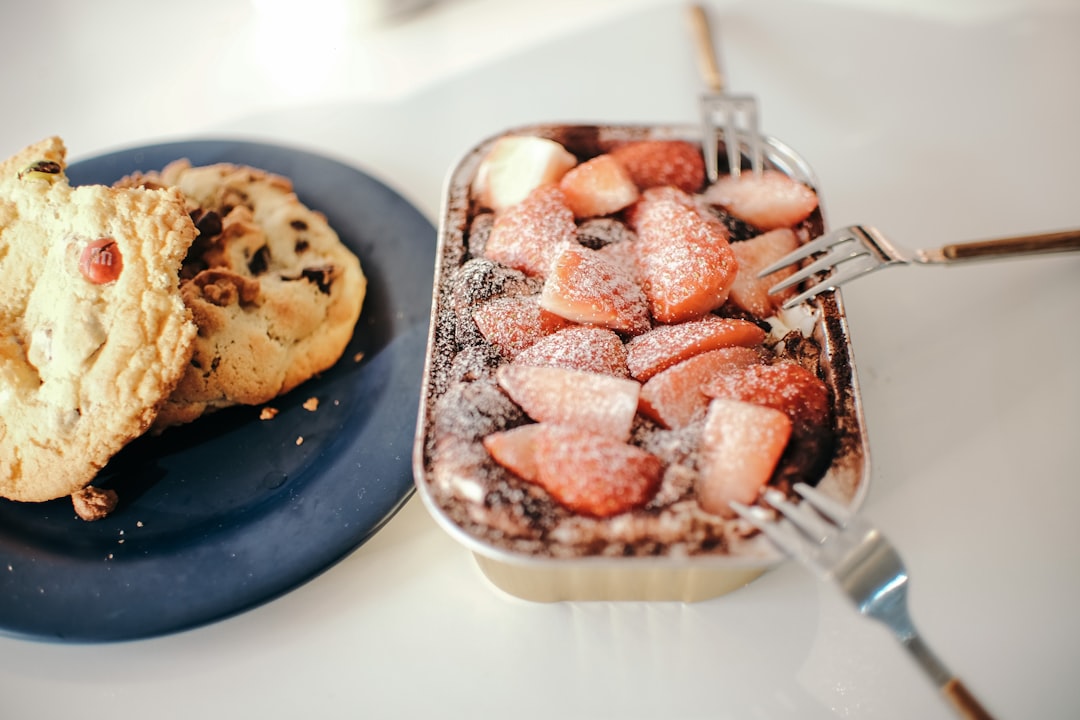
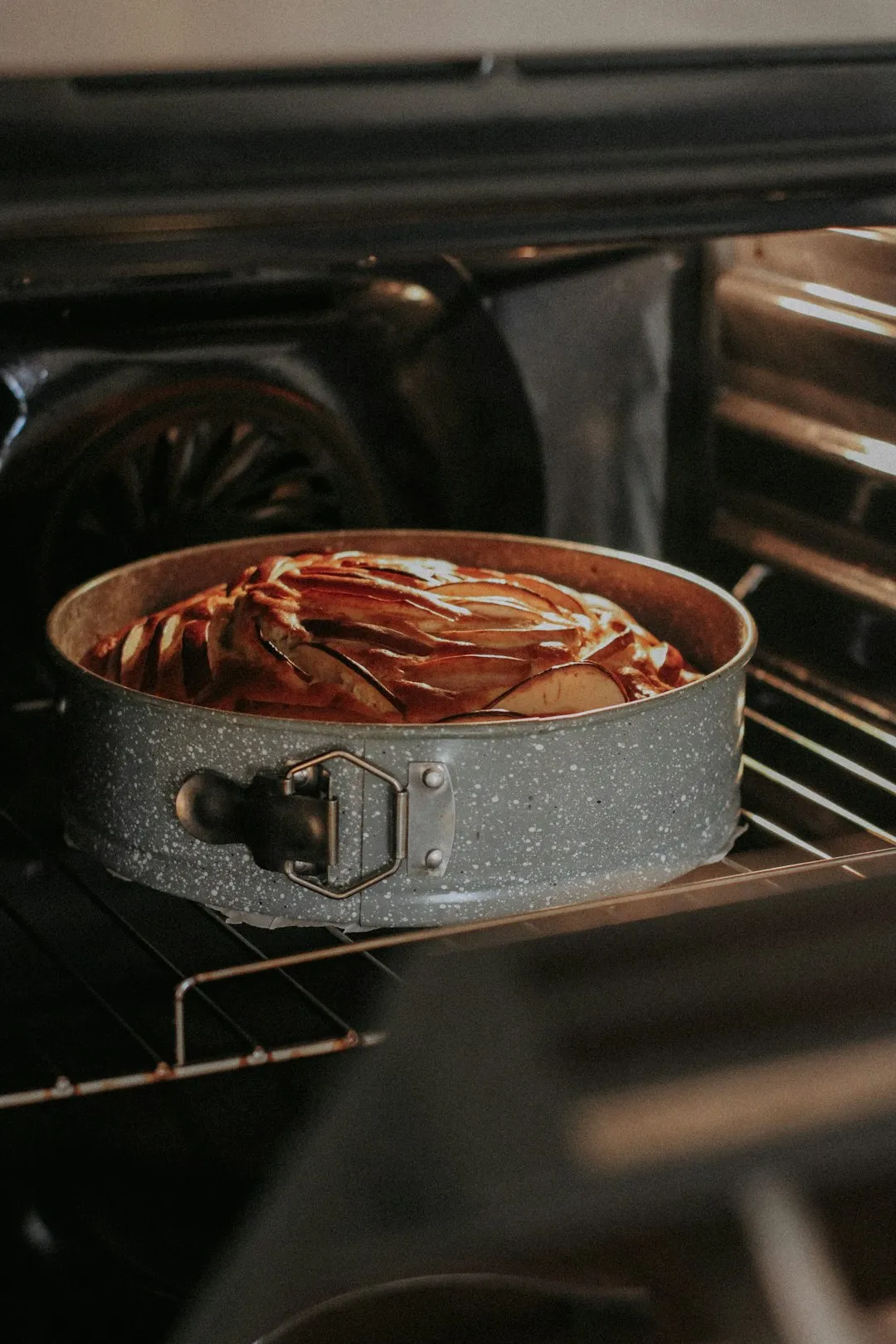
Produce can also be used in baked goods. Apples can be used to make apple pies, while bananas are perfect for banana bread. You can also add berries to muffins or cakes for a burst of flavor. When using produce in baked goods, make sure to adjust the amount of sugar and moisture in the recipe according to the natural sweetness and moisture content of the produce.
In conclusion, proper food storage and cooking with fresh produce are essential skills for any home cook. By following these tips, you can enjoy delicious and healthy meals while making the most of your produce.