Grocery shopping is an essential part of our lives, and it's not just about filling up our carts with food. It's about making informed choices that will not only keep our pantries well - stocked but also ensure that we can cook delicious and healthy meals. In this guide, we'll explore the ins and outs of grocery shopping, how to make the most of the items in your pantry, and how long they can actually last on the shelf.
When you head to the grocery store, it's important to have a plan. A well - thought - out grocery list can save you time, money, and prevent impulse purchases. Start by taking inventory of your pantry. Check what you already have, what's running low, and what you're out of completely. This will give you a clear idea of what you need to buy. For example, if you notice that you're almost out of pasta, you can add different types of pasta to your list. Maybe some penne for a classic pasta sauce, and some linguine for a seafood pasta dish.
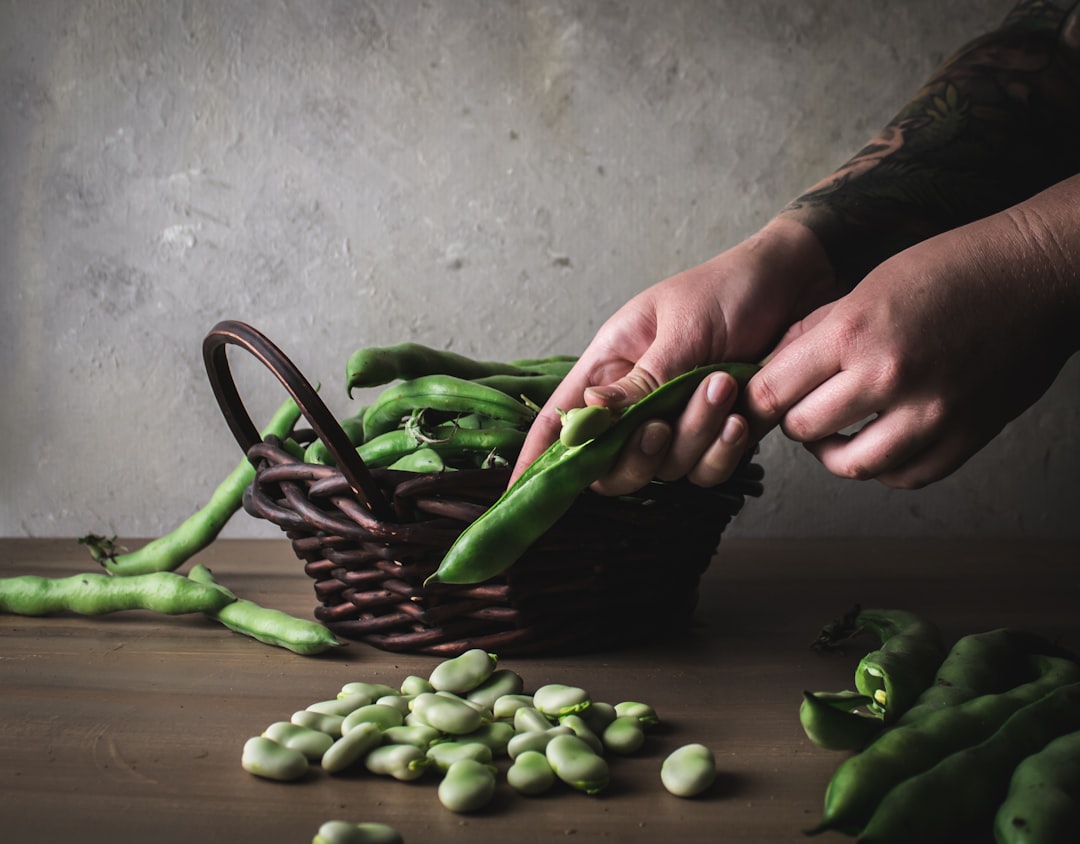
Another important aspect of grocery shopping is choosing fresh and high - quality ingredients. When it comes to fruits and vegetables, look for produce that is firm, brightly colored, and free of bruises or blemishes. For meat and poultry, check the expiration date and make sure the packaging is intact. Dairy products should also be carefully inspected, especially items like milk and yogurt, as they can spoil quickly.
Once you've brought your groceries home, proper storage is key to making them last. Different items have different storage requirements. Canned goods, for instance, can last for a long time if stored in a cool, dry place. Most canned vegetables and fruits can last up to two to five years, while canned meats can last about two to three years. However, it's always a good idea to check the expiration date on the can.
Dry goods such as rice, pasta, and cereals should be stored in airtight containers to keep them fresh and prevent pests from getting in. These items can last anywhere from one to two years, depending on the type. Flour, for example, can last about six to eight months if stored properly, but if it's whole - wheat flour, it may have a shorter shelf life due to the higher oil content.
Now, let's talk about cooking. Having a well - stocked pantry opens up a world of culinary possibilities. With a few basic ingredients, you can create a variety of delicious recipes. For example, with canned tomatoes, onions, garlic, and some herbs, you can make a simple yet flavorful tomato sauce. This sauce can be used as a base for pizza, pasta, or even as a dip for bread.
If you have some chicken breasts in the freezer and a can of cream of mushroom soup in your pantry, you can whip up a quick and easy chicken casserole. Just combine the chicken, soup, some vegetables, and a little bit of cheese, and bake it in the oven. It's a comforting meal that the whole family will enjoy.
Recipes are not just about following a set of instructions. They're about creativity and experimentation. You can take a classic recipe and put your own spin on it. Maybe add some extra spices or use a different type of protein. For example, if a recipe calls for beef, you can try using turkey or tofu instead.
In conclusion, grocery shopping and cooking go hand in hand. By being smart about your grocery choices, storing your food properly, and using your pantry items creatively, you can enjoy delicious and healthy meals every day. Don't let the items in your pantry go to waste. Instead, use them to create memorable dining experiences.